SITE OF SPECIAL SCIENTIFIC INTEREST
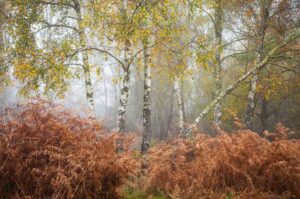
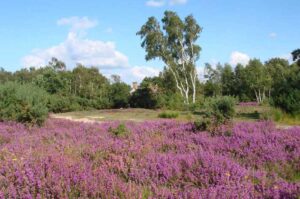
Silchester Common along with Tadley Common, Greenham Common and the Surrey Heaths are some of the few remaining fragments of lowland heath. This heathland would have been much more extensive in the past, stretching across much of Southern England but is now a nationally rare habitat. In 1951, Silchester Common was one of the earliest pieces of UK land to be designated as a Site of Special Scientific Interest. This designation recognises the rich plant and animal life including rare heather, diverse invertebrates, characteristic butterflies and vulnerable species of birds.
HEATHLAND PLANTS
The heathland habitat represents a very good example of the characteristic vegetation types of dry heaths transitioning to wet valley mires, an exceptionally rare habitat in south-east England. The dry heath is typified by a mixture of heather and dwarf gorse, including species such as bell heater, bristle bent-bent grass and petty whin. While the wet heath is dominated by purple-moor grass and supporting species such as cross-leaved heath, cottongrass, and bog spike-rush.
INSECTS
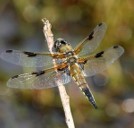
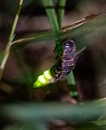
A rich variety of insects are found including butterflies, moths, dragonflies, damselflies and a multitude of different beetles. It is also home to an annual display of glowworms, lighting up the darkness of the common during the nights in early July.
CONSERVATION WORK
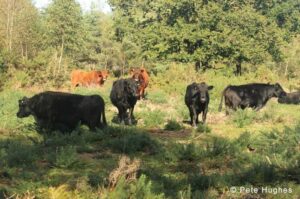
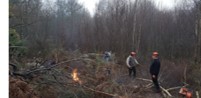
The area of Silchester Common has been maintained for hundreds of years by local people collecting firewood and grazing animals. Today the Common’s management is organised by Silchester Parish Council. The Common is fenced to allow cattle to control regrowth of gorse and birch. Contractors are employed to clear large areas, leaving a patchwork of different aged growth. And local volunteers undertake clearance work in places which are harder for contractors’ machines to access.
REPTILES
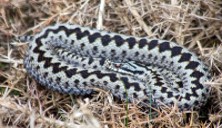
The Common is home to two of the three species of snakes that live in the UK. It supports healthy populations of grass snakes and adders. Adders are the UK’s only venomous snake species; they are an amazing sight in early Spring when they can be seen basking on south facing slopes in the heather and near to the many paths that crisscross the Common. The Common is also home to slow worms, you’d be forgiven for thinking a slow worm was a snake, but it is actually a legless lizard.
BIRDS
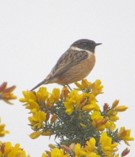
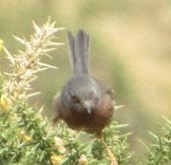
The mosaic of open heath and gorse scrub provides ideal habitat for many heathland birds. These include the stonechat together with three particularly vulnerable species of birds; the woodlark, nightjar and Dartford warbler.
AMPHIBIANS
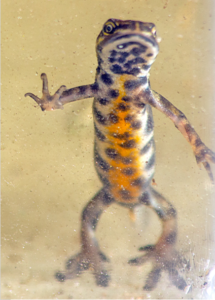
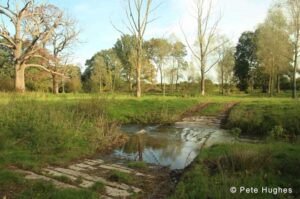
The ephemeral ponds that form during the winter are home to all three types of news found in the UK, the smooth newt, palmate newt and great crested newt. You can also see frogs and toads throughout the area.